The Great British Price Dilemma
Walk into any independent café across the UK right now, and you'll likely overhear hushed conversations between owners about the dreaded P-word: pricing. With energy costs soaring, milk prices fluctuating, and quality coffee beans commanding premium rates, café owners are caught between maintaining razor-thin margins and risking the wrath of price-sensitive customers who've already tightened their belts.
The truth is, proper pricing isn't about squeezing every last penny from your customers—it's about building a sustainable business that can weather economic storms whilst continuing to serve that perfect flat white your regulars depend on.
Understanding Your True Costs: Beyond the Bean
Before you can price effectively, you need to understand exactly what goes into each cup. Most café owners focus solely on the cost of coffee beans, but that's just the tip of the iceberg.
Start with your direct costs: coffee beans, milk, sugar, cups, lids, and stirrers. Then factor in your indirect costs—rent, utilities, staff wages, equipment maintenance, and insurance. Don't forget about waste: that shot you pulled too long, the milk that went off, or the pastries that didn't sell.
A general rule of thumb in the UK café industry suggests your cost of goods should represent roughly 25-35% of your selling price. So if your large latte costs £1.20 to make (including all direct and allocated indirect costs), you should be charging between £3.40 and £4.80.
The Psychology of British Coffee Pricing
Brits have a peculiar relationship with coffee pricing. We'll happily queue for twenty minutes at a chain coffee shop and pay £4.50 for a large cappuccino, yet baulk when our local independent café charges £3.80 for a superior product made with single-origin beans.
This psychological quirk works in your favour if you understand it. Premium pricing signals quality, but only when accompanied by a premium experience. Your regulars aren't just buying coffee—they're buying familiarity, community, and the comfort of being recognised.
Strategic Pricing Approaches That Work
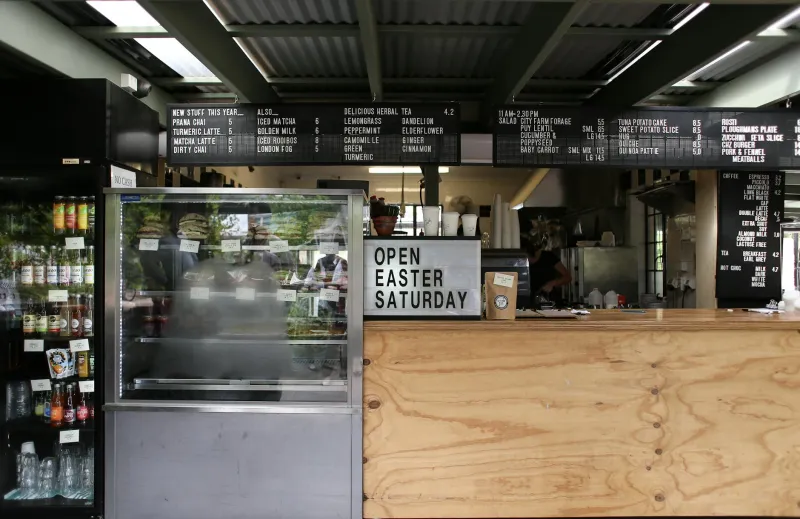
The Anchor Method: Position your most expensive drink prominently on your menu. When customers see a £5.50 speciality drink, your £3.50 cappuccino suddenly seems reasonable. This isn't manipulation—it's giving customers choice whilst guiding their decision-making.
Size Psychology: Rather than offering small, medium, and large, consider tall, grande, and venti naming conventions, or create your own unique sizing system. When customers can't easily compare your prices to the chain down the road, they judge value on the experience you provide.
Bundle Brilliance: Package your coffee with pastries or light meals. A £6.50 "breakfast deal" including coffee and a bacon butty feels more palatable than charging £3.50 for coffee and £3.50 for the sandwich separately.
Communicating Price Increases Without Losing Customers
When it comes to raising prices—and you will need to—transparency trumps stealth every time. Your regulars will notice a 20p increase whether you announce it or not, so why not control the narrative?
The Honest Conversation: Put up a simple notice explaining the reality of rising costs. Something like: "Due to increased costs of premium ingredients and fair wages for our team, we've adjusted our prices by an average of 15p per drink. We remain committed to serving you the best coffee in [your area]."
Gradual Implementation: Rather than shocking customers with sudden increases, implement changes gradually. Raise prices on new or speciality items first, then adjust core offerings a few weeks later.
Value Addition: When increasing prices, simultaneously introduce something new—perhaps better quality beans, an additional size option, or a loyalty scheme enhancement. Customers are more accepting of price increases when they perceive added value.
Real-World Success Stories
Take The Coffee House in Bristol, which faced a 30% increase in wholesale coffee costs last year. Rather than absorbing the hit or dramatically raising prices, they introduced "origin spotlights"—featuring different single-origin beans monthly at a £0.50 premium. Customers embraced the educational aspect, and many regulars now specifically ask for the monthly special.
Similarly, Brew & Biscuit in Manchester tackled rising costs by introducing a "local heroes" discount—10% off for NHS workers, teachers, and other key workers. Whilst reducing immediate revenue, this strategy built tremendous community goodwill and attracted new customers who more than compensated for the discount.
The Long Game: Building Price Resilience
Sustainable pricing isn't about finding the perfect price point once—it's about building a business model that can adapt to changing costs whilst maintaining customer loyalty. This means:
Regular Cost Reviews: Monthly analysis of your true costs per cup, including labour and overheads.
Customer Feedback Loops: Regular conversations with your regulars about what they value most. Sometimes it's not about price at all—it might be consistency, speed of service, or simply remembering their usual order.
Flexibility: Build pricing structures that allow for seasonal adjustments or premium offerings without confusing your core menu.
Making Peace with Profit
Many UK café owners struggle with the concept of profit, viewing it as somehow unseemly or greedy. This mindset is dangerous. Profit isn't about exploitation—it's about sustainability. A profitable café can invest in better equipment, pay fair wages, source ethically, and weather unexpected challenges.
Your customers want you to succeed. They want their favourite café to be there tomorrow, next month, and next year. Pricing your products appropriately isn't just good business—it's a service to your community.
The Bottom Line
Pricing coffee is part science, part art, and part psychology. Get the fundamentals right—understand your costs, know your market, and communicate honestly with customers. Remember, you're not just selling coffee; you're providing a service, an experience, and a community hub.
The cafés that thrive aren't necessarily those with the lowest prices, but those that deliver consistent value whilst maintaining healthy margins. Price with confidence, communicate with transparency, and never apologise for running a profitable business. Your customers—and your bank balance—will thank you for it.