Your Daily Waste Stream Is a Revenue Stream — Here's How to Tap It
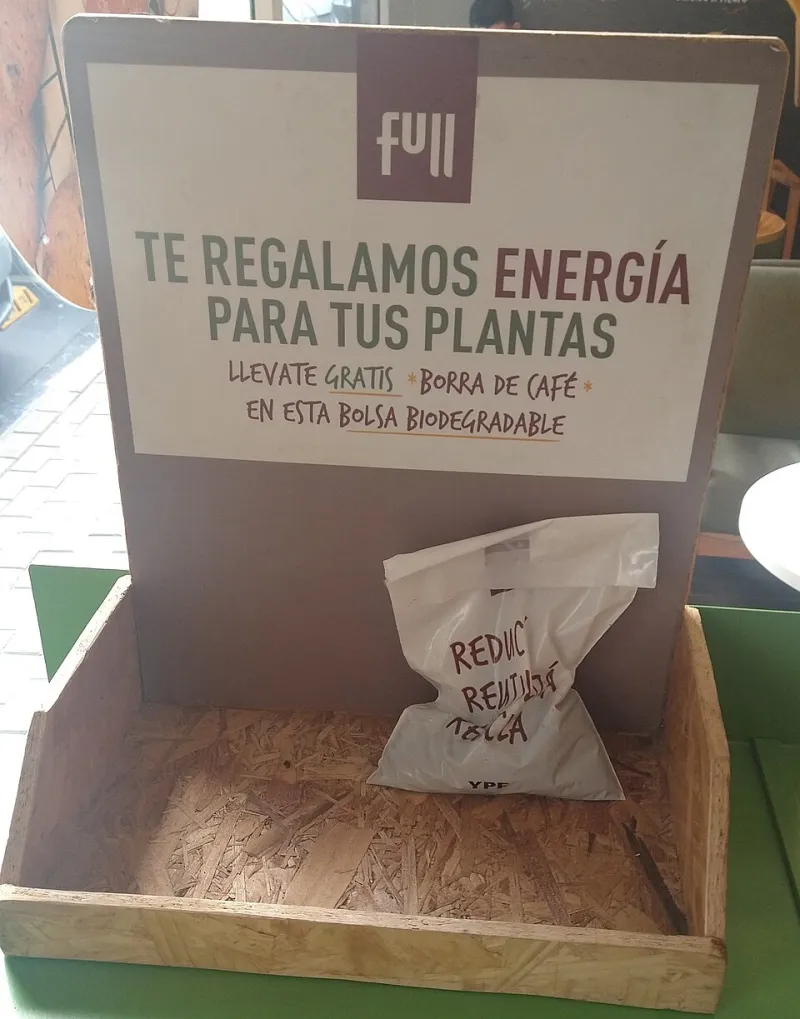
Photo: NovaRimpRa, CC0, via Wikimedia Commons
The Bin Bag Audit Nobody Does
Here's a useful exercise. At the end of your next trading day, before the bins go out, take a proper look at what's in them.
You'll likely find kilograms of spent coffee grounds. Unsold pastries and sandwiches. Milk that didn't quite make it. Packaging offcuts. Food prep trimmings. For most cafés, this is just the cost of doing business — unavoidable, unremarkable, and entirely forgotten the moment the lid goes down.
But here's a different way to see it: that bin represents a portion of your daily margin that you've paid for twice. Once when you bought the raw materials, and once when you pay to have the waste collected.
Britain's savviest independent café owners are starting to look at their waste stream not as an inevitability, but as an untapped asset — and some of them are finding real money in places they never thought to look.
Coffee Grounds: From Afterthought to Product Line
Let's start with the most obvious opportunity, because it's also the most overlooked.
A reasonably busy UK café can generate anywhere from three to ten kilograms of spent coffee grounds per day. For years, this went straight into general waste. Then the gardening community discovered that used grounds are brilliant for composting, deterring slugs, and feeding acid-loving plants like roses and blueberries. Suddenly, something you were paying to throw away became something people actually want.
The commercial applications are straightforward:
Partner with local garden centres or allotment associations. Many are actively seeking organic waste materials. A simple arrangement — you bag the grounds, they collect weekly — costs you nothing and earns you goodwill (and sometimes a small payment) from a new local partner.
Sell bagged grounds directly from the counter. Price them at £1–2 per bag, position them near the till with a small card explaining their garden benefits, and you've created a micro-product from something that was costing you money. It also starts a conversation with customers who hadn't previously thought of your café as a source of anything other than coffee.
Supply local artisan producers. There's a growing cottage industry around coffee ground-infused products — soaps, candles, body scrubs, and even furniture varnishes. Reach out to makers in your area. You supply the raw material; they supply a finished product you can potentially stock and sell.
None of these require significant investment. They require ten minutes of thinking and a willingness to make a phone call.
Tackling Food Waste With Smarter Systems
Food waste is where the real financial pain lives for most cafés. Unsold baked goods, over-prepped sandwiches, and surplus daily specials represent genuine margin evaporating at closing time — and the UK hospitality sector throws away an estimated 920,000 tonnes of food every year.
The solutions aren't glamorous, but they work.
Dynamic end-of-day pricing. Mark down food items in the final hour of trading rather than binning them. A pasty that cost you 80p to make and sells for £3.50 at lunchtime is still worth 50p to you at 4pm — and worth zero in the bin. Apps like Too Good To Go have made this approach mainstream, giving cafés a ready-made platform to sell surplus food at reduced prices to local customers who've specifically opted in to find those deals.
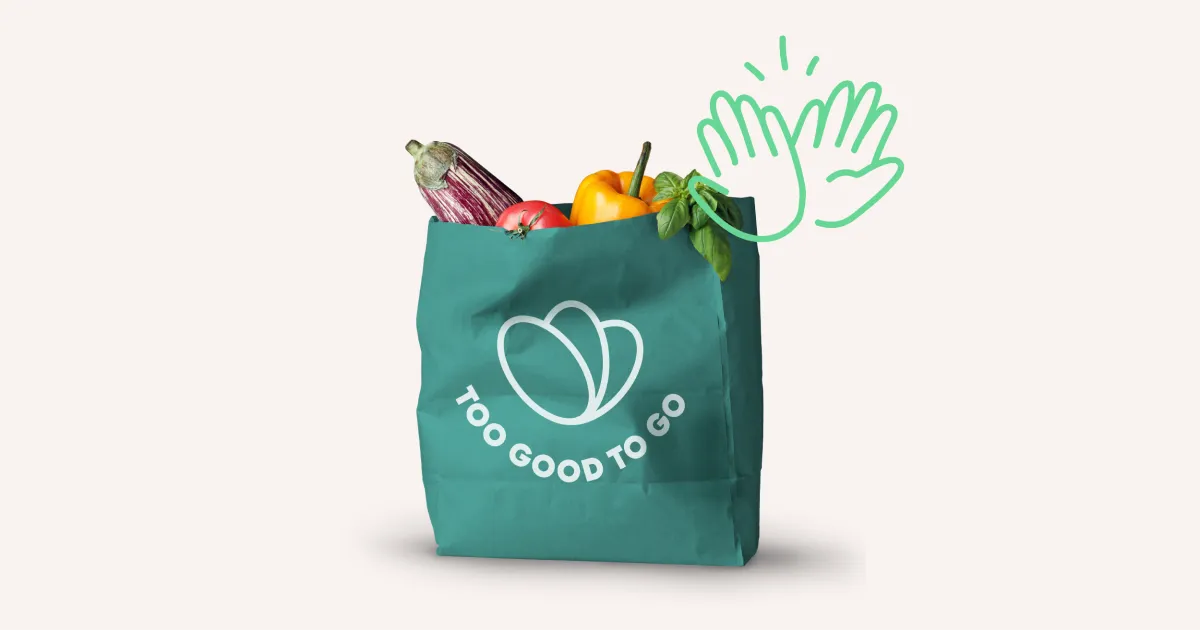 Photo: Too Good To Go, via share.toogoodtogo.com
Smarter batch baking. Rather than producing the same quantities every day regardless of footfall patterns, use your sales data to bake to demand. If Tuesdays are consistently quieter than Thursdays, your Tuesday bake should reflect that. This sounds obvious, but many café owners still operate on fixed production schedules driven by habit rather than evidence.
Repurposing rather than discarding. Day-old bread becomes toast or croutons. Overripe bananas become banana bread. Yesterday's soup becomes today's pie filling. Building a culture of creative repurposing in your kitchen reduces waste costs and can actually generate new menu items that customers love.
The Loyalty Dividend of Visible Sustainability
Beyond the direct cost savings, there's a growing commercial reward for being seen to take waste seriously.
Research consistently shows that UK consumers — particularly the under-40 demographic that drives a significant portion of independent café footfall — actively prefer businesses with credible sustainability credentials. Not greenwashing. Not a recycling logo on the menu. Actual, visible, tangible action.
When customers see that you bag your grounds for local gardeners, that your unsold food goes to Too Good To Go rather than landfill, and that your packaging is compostable, they tell people. That word-of-mouth is worth considerably more than any paid advertising campaign.
The key word there is visible. Put a small chalkboard near the counter explaining what you do with your waste. Post about it on Instagram. Let your regulars know. You've done the work — make sure people know about it.
Making It Manageable
The barrier most café owners cite is time. Running a busy café is relentless, and adding new systems to an already stretched operation feels daunting.
The answer is to start small and systematise. Pick one waste stream — grounds are the easiest — and build a simple routine around it. Once that's running without thought, tackle the next one. Within six months, you can have a genuinely comprehensive waste reduction programme that's cutting costs, generating small new revenue lines, and building a reputation that money can't buy.
Your daily bin bag isn't just rubbish. It's a business opportunity you've been paying to ignore.