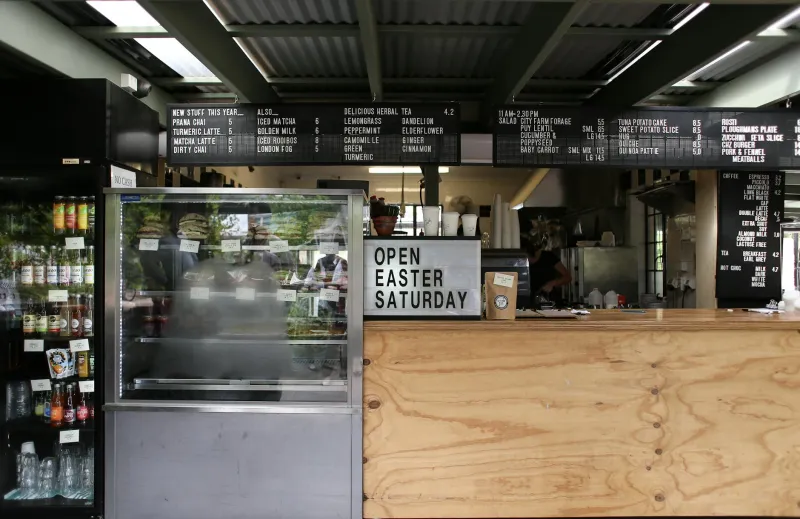
It's 2:30 PM on a Tuesday afternoon in a charming café tucked away in Newcastle's Ouseburn district. The lunch crowd has dispersed, the next wave of customers won't arrive until after school, and the owner is nervously watching three customers nurse single coffees while paying full rent, rates, and staff wages for a nearly empty space.
Sound familiar? If you're nodding along, you're experiencing what we call the 'dead zone dilemma' – those frustrating periods when your café feels more like an expensive waiting room than a thriving business.
But here's the thing: those quiet hours aren't dead weight. They're untapped goldmines waiting to be discovered.
Rethinking the Footfall Obsession
Most café owners measure success by the wrong metric. They count heads through the door, not pounds in the till per hour of operation. This tunnel vision leads to a dangerous assumption: that quiet periods are inherently unprofitable.
Consider Rachel's experience with her café in Bath. For two years, she watched her mid-afternoon slump with resignation, assuming it was just part of the business cycle. Her 2-4 PM slot was averaging just £45 in revenue while costing £78 in operational expenses – a £33 hourly loss that was bleeding her business dry.
Then Rachel shifted her perspective. Instead of seeing those hours as dead time, she started viewing them as premium real estate with zero competition for customer attention. The transformation that followed doubled her afternoon revenue within three months.
The Freelancer Revolution: Your New Best Friends
The UK's freelance economy is booming, with over 2 million self-employed professionals seeking alternatives to expensive co-working spaces and distracting home offices. These digital nomads represent a massive opportunity for savvy café owners.
Mike, who runs 'The Grind' in Leeds, noticed his café was attracting laptop users during off-peak hours but struggling to make these visits profitable. Single coffee purchases stretched over three-hour work sessions weren't cutting it.
His solution? A 'Productivity Partnership' programme offering unlimited coffee, guaranteed seating, and free WiFi for £15 per day or £200 per month. The programme launched with 12 members and now boasts over 80 regular subscribers, generating an additional £16,000 monthly revenue during previously unproductive hours.
The key insight? Freelancers value consistency and comfort over cheap coffee. They'll pay premium prices for guaranteed workspace, especially during those tricky mid-morning and post-lunch periods when traditional co-working spaces are fully booked.
Corporate Catering: Bringing Business to Your Quiet Hours
While everyone else is fighting over the breakfast and lunch rushes, smart café owners are creating their own demand during quiet periods through strategic corporate partnerships.
Sarah's café in Edinburgh was struggling with a brutal 10 AM to 12 PM dead zone. Rather than waiting for customers to find her, she started approaching local businesses with a unique proposition: premium meeting packages during off-peak hours at 30% below peak pricing.
Her 'Boardroom Alternative' package includes exclusive use of her café's back room, unlimited coffee for attendees, pastries, and even flip chart facilities. At £120 for a two-hour session (compared to £200+ for hotel meeting rooms), it's an attractive proposition for local businesses.
The result? Sarah now hosts 8-12 corporate meetings weekly during her previously quiet hours, generating an additional £1,200-£1,800 in revenue that requires minimal extra staffing or inventory.
The Art of Curated Experiences
Dead hours offer something peak times can't: the luxury of attention. This creates perfect opportunities for high-value, intimate experiences that command premium pricing.
Tom's café in Brighton transformed its Tuesday and Thursday 3-5 PM slots with monthly 'Coffee Cupping Sessions' – guided tastings featuring single-origin beans from different regions. Limited to 12 participants at £25 per person, these sessions consistently sell out and generate £300 in revenue during previously quiet periods.
The genius lies in the positioning. Rather than competing on volume, Tom created scarcity and exclusivity. Participants feel they're getting insider access to coffee expertise, not just filling time in a quiet café.
Similarly, Emma's café in Glasgow runs 'Latte Art Workshops' during Monday afternoon lulls. For £35, participants learn basic techniques, enjoy multiple drinks, and leave with Instagram-worthy photos. With sessions limited to 8 people, she's created a waiting list while generating £280 in revenue during her quietest period.
Subscription Models: The Holy Grail of Predictable Revenue
The most successful transformation we've witnessed involves café owners shifting from transaction-based to subscription-based thinking during quiet hours.
James, operating in Manchester's Northern Quarter, launched 'The Afternoon Club' – a membership programme specifically for his 2-5 PM quiet period. For £45 monthly, members receive unlimited coffee, priority seating, and exclusive access to afternoon-only menu items.
With 95 active members, this programme generates £4,275 in predictable monthly revenue during previously unproductive hours. More importantly, it creates a community of loyal customers who actively promote the café to their networks.
The Community Hub Strategy
Quiet hours present unique opportunities to position your café as a community hub rather than just a coffee shop. This positioning creates emotional connections that translate into long-term loyalty and word-of-mouth marketing.
Lucy's café in Oxford partnered with local artists to host 'Sketch & Sip' sessions during Wednesday afternoon quiet periods. Artists bring their own materials, the café provides unlimited coffee and light snacks for £18 per person, and participants often stay for dinner afterwards.
These sessions regularly attract 15-20 participants, generating £270-£360 in revenue while creating a vibrant atmosphere that draws additional walk-in customers.
Technology as Your Revenue Multiplier
Modern café owners can leverage technology to maximise quiet hour profitability without increasing labour costs. Dynamic pricing, online booking systems, and targeted marketing can transform dead periods into profit centres.
Consider implementing 'Happy Hour' pricing for specific drinks during quiet periods, promoted through social media and email marketing. A 20% discount on specialty drinks between 2-4 PM can drive traffic while maintaining healthy margins on higher-volume sales.
The Measurement Game: Tracking Your Transformation
Success in transforming quiet hours requires careful measurement. Track these key metrics:
- Revenue per quiet hour (before and after initiatives)
- Customer acquisition cost for new programmes
- Retention rates for subscription members
- Average spend per customer during off-peak periods
- Cross-selling success (afternoon customers returning during peak times)
Your Quiet Hour Action Plan
- Audit your dead zones: Track hourly revenue for two weeks to identify your least profitable periods
- Survey your existing customers: Ask what would bring them in during quiet hours
- Research your local market: Identify freelancers, small businesses, and community groups in your area
- Start small: Launch one new initiative targeting your quietest period
- Measure and iterate: Give new programmes 6-8 weeks before making major adjustments
The Competitive Advantage
While chain competitors focus on peak hour efficiency, independent café owners have a unique opportunity to create meaningful connections during quiet periods. These relationships, built during relaxed afternoon conversations and intimate workshops, create loyalty that no corporate coffee chain can replicate.
Your quiet hours aren't a burden – they're your secret weapon. The question isn't whether you can afford to activate these periods, but whether you can afford not to.
The next time you're staring at an empty café at 2:30 PM, remember: you're not looking at dead time. You're looking at unlimited potential.