The Hidden Drain: How Poor Equipment Care Is Quietly Bankrupting Your Coffee Business
Last month, I received a panicked call from Maria, who runs a bustling café near King's Cross. Her espresso machine had died during the morning rush, leaving her with a queue of frustrated customers and no way to serve her core product. The repair bill? £1,200. The lost revenue during three days of downtime? Nearly £3,000.
 Photo: King's Cross, via benoycdn.azureedge.net
The tragedy? It was entirely preventable.
The True Cost of Reactive Maintenance
Most independent café owners operate on what I call the "breakdown budget" – they only spend money on equipment when something catastrophically fails. This approach might seem financially prudent when cash flow is tight, but it's actually the most expensive way to run your operation.
Let's break down the real mathematics of neglect. When your primary espresso machine fails during peak hours, you're not just looking at repair costs. You're facing:
- Immediate revenue loss from inability to serve core products
- Customer dissatisfaction and potential permanent defection
- Emergency repair premiums (often 50-100% higher than scheduled maintenance)
- Staff idle time whilst equipment is non-functional
- Potential food waste if equipment failure affects refrigeration or heating
A £200 quarterly service could prevent a £2,000 emergency repair. The mathematics are clear, yet countless British café owners continue to gamble with their equipment's reliability.
The Grinder: Your Café's Unsung Hero
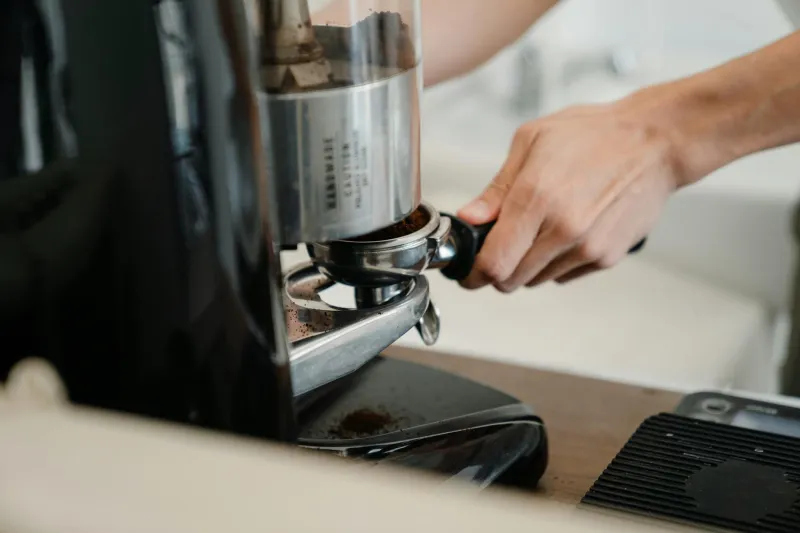
If your espresso machine is the heart of your operation, your grinder is its soul. Yet grinders receive less attention than almost any other piece of equipment, despite being arguably more critical to your coffee quality.
Burr wear happens gradually, so gradually that many owners don't notice the decline in extraction quality. But your customers do. That slightly sour note in your americano, the lack of crema on your cappuccinos, the inconsistent shots that your baristas struggle to dial in – these are often symptoms of worn burrs, not barista incompetence.
Commercial grinder burrs should be replaced every 500-750kg of coffee, depending on the quality of your beans and water. For a typical independent café serving 50-70 cups daily, that's roughly every 12-18 months. Yet we regularly encounter cafés running on burrs that haven't been changed in three years.
The cost? Replacement burrs for most commercial grinders run £150-300. The cost of not replacing them? Inconsistent extractions, frustrated staff, declining coffee quality, and ultimately, lost customers who notice that your coffee "just isn't what it used to be."
Water: The Invisible Foundation
British water varies dramatically by region, and what works in the soft water of Scotland will destroy equipment in the hard water areas of London and the South East. Yet water treatment remains one of the most overlooked aspects of café equipment management.
Limescale isn't just unsightly – it's expensive. In hard water areas, an unprotected espresso machine can suffer significant calcium buildup within months. This doesn't just affect taste; it reduces heating efficiency, increases energy costs, and can cause complete component failure.
A quality water filtration system costs £300-800 to install but can extend equipment life by years whilst dramatically improving coffee taste. We've seen cafés in London reduce their descaling frequency from monthly to quarterly simply by installing proper filtration.
More importantly, consistent water quality means consistent coffee. When your water composition varies seasonally or your filtration system fails, your carefully dialled-in recipes become useless. Suddenly, your experienced baristas are struggling to pull decent shots, customer complaints increase, and you're left wondering what went wrong.
The Preventative Maintenance Framework
Daily Tasks (5 minutes)
- Empty and clean drip trays
- Wipe down machine exteriors
- Check water levels and filter indicators
- Run cleaning cycles on automatic machines
Weekly Tasks (30 minutes)
- Deep clean portafilters and baskets
- Clean and calibrate grinders
- Check steam wand functionality
- Inspect seals and gaskets for wear
Monthly Tasks (2 hours)
- Replace water filters
- Deep clean grinder burr chambers
- Check pressure gauges and temperature readings
- Descale equipment as needed (varies by water hardness)
Quarterly Professional Service
- Complete equipment inspection
- Calibration of temperature and pressure systems
- Replacement of wear items (seals, gaskets, etc.)
- Comprehensive cleaning of internal components
Case Study: The Nottingham Turnaround
Tom's café in Nottingham was bleeding money. Despite decent footfall, his profit margins were razor-thin, and customer complaints about coffee quality were increasing. When we audited his operation, the problems were immediately apparent:
- His grinder burrs hadn't been replaced in over two years
- The espresso machine hadn't been professionally serviced in 18 months
- No water filtration system despite Nottingham's moderately hard water
- Cleaning was reactive rather than systematic
We implemented a comprehensive maintenance schedule and invested £1,200 in new burrs, filtration, and professional servicing. Within six weeks:
- Coffee consistency improved dramatically
- Customer complaints dropped to near zero
- Barista confidence increased (consistent equipment made their job easier)
- Energy costs decreased by 15% due to improved machine efficiency
Most importantly, Tom's average customer rating on delivery apps increased from 3.8 to 4.6 stars, directly translating to increased orders and revenue.
The Hidden Costs of Inconsistency
Poor equipment maintenance doesn't just cost money directly – it undermines everything else you do well. You might have the best beans, the most skilled baristas, and perfect customer service, but if your equipment can't deliver consistent results, none of that matters.
Inconsistent coffee drives away regulars. These customers don't typically complain; they simply stop coming. You might not notice immediately because footfall remains steady with new customers, but your repeat business – the foundation of any successful café – slowly erodes.
Staff morale suffers when equipment is unreliable. Baristas take pride in their craft, and when machines won't cooperate, frustration builds. This affects service quality and increases staff turnover, creating additional recruitment and training costs.
Building Equipment Costs Into Your Business Model
The biggest mistake café owners make is treating equipment maintenance as an unexpected expense rather than a planned business cost. Equipment deterioration is as predictable as rent or wages – budget for it accordingly.
Allocate 3-5% of your revenue to equipment maintenance and replacement. This might seem significant, but it's far less than the cost of reactive repairs, lost customers, and business disruption.
Consider maintenance contracts with local service providers. Many offer fixed monthly fees that cover regular servicing and emergency repairs. This transforms unpredictable equipment costs into manageable monthly expenses whilst ensuring professional care.
Technology Solutions
Modern equipment increasingly offers remote monitoring capabilities. Systems can alert you when descaling is needed, track shot volumes to predict when burrs need replacement, and even identify potential problems before they cause failures.
Whilst these systems require additional investment, they're particularly valuable for multi-site operators or owners who aren't on-site daily. Prevention is always cheaper than cure.
The Competitive Advantage
In an increasingly competitive market, consistency is your secret weapon. Customers might forgive occasional service issues or menu disappointments, but they won't tolerate inconsistent coffee quality.
When your equipment is properly maintained, your coffee tastes the same whether it's Monday morning or Saturday afternoon, whether your head barista is working or it's the weekend shift. This reliability builds the trust that transforms occasional visitors into devoted regulars.
Remember: your equipment is the foundation upon which your entire business rests. Neglect it at your peril, but maintain it properly, and it becomes the platform for sustainable success.