The Art of the Immediate Return: Creating Café Experiences That Book Tomorrow's Visit Today
Walk into any thriving independent café in Manchester or Brighton, and you'll notice something the struggling ones miss entirely: customers aren't just enjoying their current experience—they're already planning their next one. This isn't accident or luck; it's the result of carefully orchestrated touchpoints that activate what behavioural economists call 'future commitment bias.'
Whilst chain coffee shops rely on familiarity and convenience, independent café owners have a unique opportunity to create something far more powerful: emotional anticipation. The question isn't whether your coffee is good enough to warrant a return visit—it's whether you're actively planting the seeds for that return whilst the customer is still in your space.
The Psychology Behind Immediate Commitment
The human brain is wired to seek closure and completion. When we start something, we're psychologically driven to finish it. Smart café owners exploit this tendency by creating what psychologists term 'open loops'—experiences that feel incomplete until the customer returns.
Consider the difference between these two interactions:
Standard approach: "Here's your flat white, enjoy!"
Strategic approach: "Here's your flat white made with our Brazilian single-origin. Tomorrow we're featuring our new Ethiopian beans—completely different flavour profile, much brighter. I think you'd find the comparison fascinating."
The second interaction doesn't just deliver coffee; it creates curiosity and establishes a reason to return that feels personal rather than promotional.
Menu Engineering for Return Visits
Your menu isn't just a list of offerings—it's a roadmap for customer journeys. The most effective independents structure their menus to create natural progression paths that encourage exploration over multiple visits.
The Trilogy Technique
Present your signature drinks in related groups of three, with clear progression from familiar to adventurous. For example:
- The Gateway: Classic cortado with house blend
- The Explorer: Cortado with single-origin Colombian
- The Adventurer: Cortado with experimental natural process beans
When customers order from the first tier, your team can naturally mention the progression: "If you enjoy this, our Colombian version next week will show you how terroir affects the same drink structure."
Seasonal Anchoring
British customers are deeply connected to seasonal rhythms. Use this by creating signature drinks that celebrate specific times of year, then reference upcoming seasonal changes during current visits. A customer enjoying your autumn spiced latte in October should hear about your winter warming blend launching in November.
The Conversational Architecture
Your baristas are your most powerful retention tool, but only if they're equipped with conversation frameworks that feel natural rather than scripted. The goal isn't to sell—it's to share expertise in ways that create anticipation.
The Expert's Insight Approach
Train your team to share one piece of coffee knowledge per interaction that connects to future offerings:
- "This Ethiopian bean we're using today actually processes completely differently than the Brazilian we'll have next week—same farm, totally different method."
- "You're timing this perfectly—our roaster just dialed in the grind for tomorrow's batch, and it's going to be exceptional."
These aren't sales pitches; they're insights that position your café as a place of discovery rather than just consumption.
Environmental Cues That Create Return Triggers
Your physical space should subtly communicate that there's always something new to discover. This doesn't require constant renovation—it requires strategic use of changeable elements that signal evolution.
The Preview Board
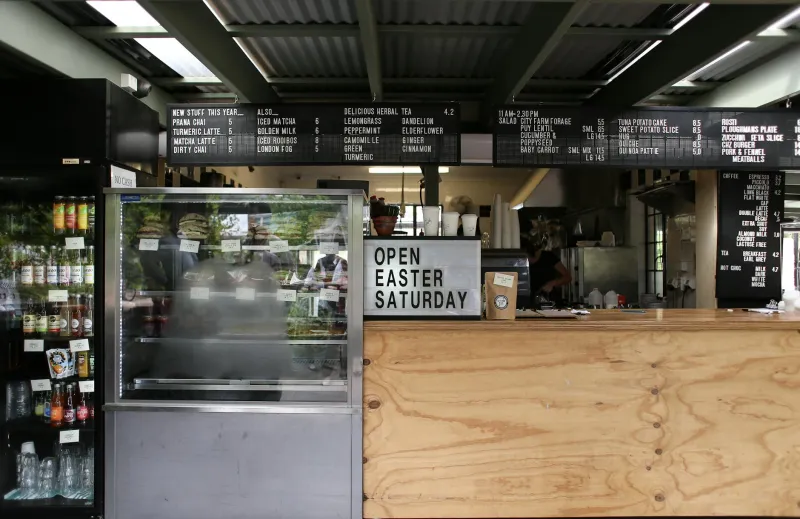
Maintain a small chalkboard or display that shows "Coming This Week" rather than just current offerings. Customers subconsciously register these previews and often return specifically to try what they saw advertised during their previous visit.
Ritual Anchoring
Create small rituals that customers can only complete through return visits. This might be:
- A coffee passport that tracks different brewing methods tried
- A simple stamp system that unlocks not discounts, but exclusive access to limited roasts
- A "roaster's notes" card system where customers collect tasting notes for different origins
The key is making these feel like collections or achievements rather than transactional loyalty programmes.
Timing the Psychological Moment
The most effective return triggers activate during what researchers call the 'peak-end moment'—the emotional high point of the experience and the final interaction before leaving. This is typically when customers receive their drink and take their first sip, or during the payment interaction.
The Anticipation Plant
During this peak moment, introduce one specific reason to return that connects to their demonstrated preferences:
- "Since you enjoyed the brightness in this blend, Thursday's guest roaster specialises in African naturals—completely different style."
- "You mentioned working from home—our quiet morning crowd on Tuesdays would suit your laptop setup perfectly."
Measuring Immediate Return Success
Track these metrics to gauge your immediate return strategy effectiveness:
- Return visit rate within 72 hours: Should increase as you refine your approach
- Specific mention rate: How often returning customers reference previous conversations
- Exploration rate: Percentage of customers trying new items on subsequent visits
The Independent Advantage
Chains can't replicate the personal knowledge and flexibility that independent café owners possess. Whilst Starbucks relies on app notifications and email marketing to encourage returns, you can create genuine anticipation through human connection and expertise.
The goal isn't to manipulate customers into returning—it's to ensure that customers who would naturally return anyway have specific reasons to do so sooner rather than later. When done authentically, this approach doesn't just increase visit frequency; it deepens customer relationships and positions your café as an essential part of their routine rather than an optional convenience.
Remember: the best marketing happens whilst your customers are already in your space, feeling positive about their experience, and naturally receptive to future possibilities. Master this timing, and you'll find that customer retention becomes less about chasing people back and more about creating experiences so compelling that return visits feel inevitable.