The Invisible Sell: How Britain's Smartest Cafés Engineering Higher Spend Without Staff Scripts
Walk into any Costa or Starbucks, and you'll hear it within seconds: "Would you like to make that a large?" or "Can I interest you in a pastry with that?" It's scripted, predictable, and frankly, a bit naff. Yet independent café owners across Britain are watching their per-customer spend climb steadily—without their staff uttering a single rehearsed line.
The secret? They've mastered what we call environmental revenue engineering. Instead of relying on their baristas to push products, these savvy operators have designed their spaces, menus, and customer journeys to naturally encourage higher spend. It's subtle, sophisticated, and surprisingly effective.
The Psychology of Passive Persuasion
Before diving into tactics, let's understand why this approach works. British customers, perhaps more than most, have a built-in resistance to being sold to. We queue politely, say "sorry" when someone bumps into us, and absolutely detest pushy sales tactics. This cultural quirk makes traditional upselling particularly challenging in UK cafés.
But we're also creatures of habit and environment. Change the setting, and you change behaviour—often without the customer even realising it's happening. The most successful independent operators have learned to work with these psychological tendencies rather than against them.
Strategic Sight Lines: What Customers See First
The moment someone walks through your door, their eyes follow a predictable pattern. Most people scan left to right, then focus on whatever's directly ahead. Smart café owners use this to their advantage.
Take The Grind in Birmingham's Jewellery Quarter. Owner Sarah Mitchell repositioned her display case directly in the customer's natural sight line from the entrance. Rather than showcasing day-old sandwiches, she filled it with fresh-baked pastries, artisanal cakes, and grab-and-go items with higher margins. The result? A 34% increase in food sales within three months, with zero changes to staff training or pricing.
"Customers were already looking in that direction," Mitchell explains. "We just made sure they were seeing something irresistible."
The Power of Strategic Queuing
Whilst Brits excel at queuing, few café owners maximise this captive audience moment. The queue isn't dead time—it's prime selling opportunity. But instead of having staff interrupt customers' morning contemplation, clever operators let the environment do the work.
Position impulse items at eye level along the queue path. Not just chocolate bars and crisps, but premium coffee beans, reusable cups, or locally-made preserves. Create small informational cards highlighting daily specials or seasonal drinks. Some operators even use subtle digital displays showing mouth-watering close-ups of their best-selling items.
The key is making information available without making customers feel pressured. They're already committed to purchasing something—you're simply expanding their awareness of options.
Menu Engineering: The Silent Salesperson
Your menu is working 24/7, but is it working smart? Traditional menu design focuses on listing options. Strategic menu design guides decisions.
Consider portion visibility. Instead of simply listing "small, medium, large," describe them as "perfect for a quick coffee," "ideal for settling in," and "perfect for sharing." The language suggests use cases rather than sizes, making the larger option feel more appropriate for customers planning to stay.
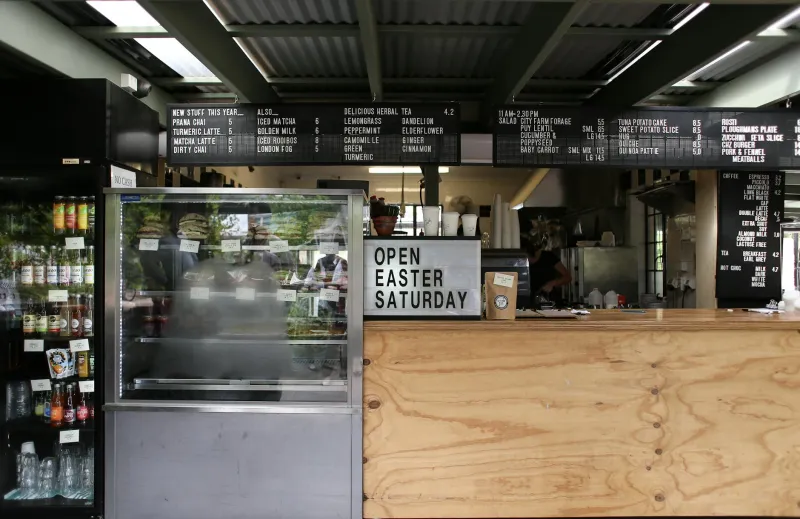
Grouping items strategically also influences choice. Place your highest-margin items in the top-right corner of menu boards—research shows this is where eyes naturally land after scanning the full menu. Create "perfect pairings" sections that combine drinks with complementary food items.
One Manchester café saw a 28% increase in average transaction value simply by redesigning their menu board to highlight coffee and pastry combinations, positioned prominently at eye level.
Sensory Triggers: Engaging More Than Just Taste
Smell might be the most powerful sales tool in your arsenal, yet most café owners barely scratch its potential. Yes, coffee smells wonderful, but strategic aroma management goes deeper.
Time your baking throughout the day. Fresh bread or pastries emerging from the oven at 11am and 3pm—traditionally slower periods—can trigger impulse purchases. The smell doesn't just make people hungry; it creates urgency. Fresh-baked items feel special, limited, worth paying extra for.
Sound plays a role too. The gentle hiss of the espresso machine, the satisfying clink of cups on saucers—these audio cues reinforce quality and craftsmanship. Some operators even adjust their playlist tempo to influence customer behaviour, using slightly faster music during peak hours to encourage turnover, and slower, more relaxed tunes during off-peak periods to encourage longer stays and additional orders.
The Comfort Zone Strategy
Here's a counterintuitive approach that's working brilliantly for several London independents: make customers so comfortable they don't want to leave. Provide phone chargers, reliable WiFi, and genuinely comfortable seating. When customers settle in for longer periods, they naturally order additional items—a second coffee, afternoon snacks, or evening treats.
This strategy particularly appeals to remote workers and students, demographics that tend to have flexible schedules and often work around meal times. A customer who arrives for a 10am coffee and stays until 2pm will likely purchase lunch, and possibly an afternoon coffee as well.
Timing-Based Suggestions
Rather than generic upselling, align suggestions with natural consumption patterns. Mid-morning visitors might appreciate a substantial breakfast pastry. Afternoon customers could be interested in a slice of cake or biscuit. Early evening patrons might fancy something more indulgent to mark the transition from work to leisure time.
This doesn't require staff scripts—it requires thoughtful product placement and subtle visual cues. Position heartier food options prominently during breakfast hours, switch to lighter snacks and treats for afternoon displays.
Measuring Success
Track more than just total revenue. Monitor average transaction value, items per transaction, and repeat visit frequency. The goal isn't just higher immediate spend, but creating an experience that brings customers back more frequently.
Successful environmental revenue engineering creates a virtuous cycle: customers spend more because they feel genuinely cared for, not sold to. This positive experience encourages return visits, building the loyal customer base that every independent café needs to thrive.
The beauty of this approach lies in its authenticity. You're not manipulating customers—you're creating an environment that genuinely serves their needs whilst supporting your business objectives. In a market where customer loyalty is increasingly precious, that's a strategy worth investing in.