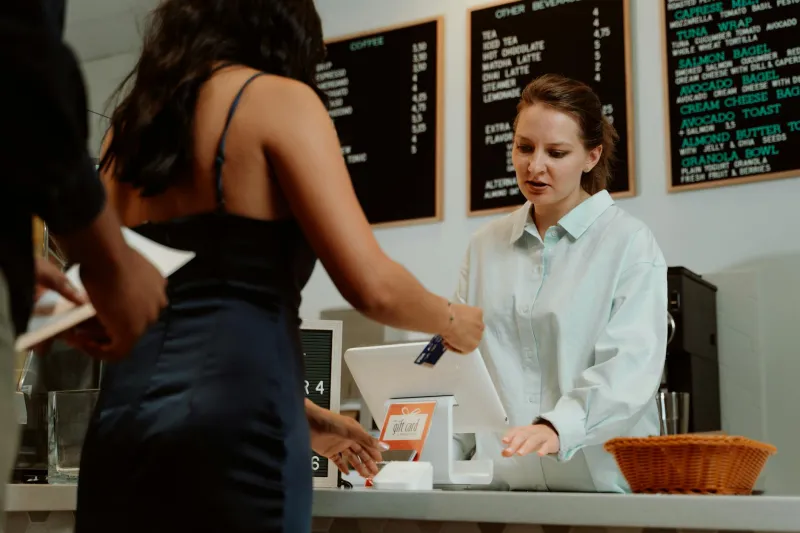
Walk into any independent coffee shop across Britain and you'll likely spot them: dog-eared loyalty cards tucked into wallets, smartphone apps promising free drinks, and counter displays advertising "Buy 9, get the 10th free!" It's become the default playbook for café owners looking to build customer retention. But here's the uncomfortable truth many discover months later: their loyalty scheme is quietly haemorrhaging profit.
The problem isn't loyalty programmes themselves—it's launching them without understanding the maths. Too many UK café owners treat rewards schemes as a marketing afterthought rather than a financial decision that needs proper analysis. The result? Systems that feel generous but systematically erode margins.
The Hidden Costs Nobody Talks About
Before diving into redemption rates and customer lifetime value, let's address the elephant in the room: loyalty programmes aren't free to run. Beyond the obvious cost of giving away products, there are administrative expenses, potential fraud losses, and the opportunity cost of discount-trained customers who might have paid full price.
Take Sarah's Coffee Corner in Brighton, which launched a digital loyalty app in 2022. The monthly subscription fee seemed negligible at £89, but when combined with the 15% processing fee on each reward redemption and the time spent troubleshooting customer app issues, the real cost approached £200 monthly—before accounting for a single free coffee.
"I thought the app would run itself," Sarah admits. "But we were spending hours each week helping customers navigate technical problems, and the redemption tracking was eating into our admin time."
Calculating Your Break-Even Point
The foundation of any profitable loyalty scheme lies in understanding your break-even mathematics. Start with these key metrics:
Average transaction value across all customers (not just loyalty members) Gross margin percentage on your typical loyalty reward Baseline visit frequency before the loyalty programme launched Target redemption rate based on your scheme structure
For a traditional "buy 9, get 1 free" stamp card offering a £3.50 flat white, you're providing an 11% discount across those ten visits. If your gross margin on coffee is 75%, that free drink costs you £2.63 in direct costs. But the real question is: would those nine paying visits have happened anyway?
The Frequency Fallacy
Many café owners assume loyalty programmes automatically increase visit frequency, but British consumer behaviour research suggests otherwise. A 2023 study by the UK Coffee Association found that 68% of loyalty programme members were already regular customers before joining—meaning you're often rewarding existing behaviour rather than creating new habits.
This is where smart programme design makes the difference. Rather than defaulting to the standard "10th coffee free" model, consider structures that genuinely incentive incremental behaviour:
Tiered spending rewards that encourage larger transactions Time-sensitive bonuses during typically quiet periods Category-specific incentives that promote higher-margin items like pastries or specialty drinks
Learning from the Success Stories
The Grind Coffee Company in Manchester redesigned their loyalty approach after discovering their original stamp card was cannibalising full-price sales. Instead of offering free drinks, they shifted to a points-based system where customers earn credits toward premium experiences: coffee cupping sessions, barista workshops, or exclusive access to limited-edition beans.
"We realised our most loyal customers weren't just buying coffee—they were buying into the culture," explains owner Tom Richards. "Now our loyalty programme strengthens that connection while maintaining our margins."
Similarly, Bean There Coffee in Edinburgh introduced a "loyalty multiplier" system during off-peak hours. Standard purchases earn one point, but transactions between 2-5 PM earn double points, effectively shifting demand to previously quiet periods without devaluing peak-time sales.
Building Your Financial Framework
Before launching any loyalty scheme, establish these financial guardrails:
Set a maximum programme cost as a percentage of monthly revenue (typically 3-5% for healthy programmes) Calculate the minimum spend increase required to justify each reward Monitor redemption patterns monthly and adjust programme terms accordingly Track customer lifetime value for loyalty members versus non-members
The Digital Advantage (When Done Right)
While traditional stamp cards remain popular, digital loyalty platforms offer superior data collection and programme flexibility. However, the monthly costs can quickly spiral if you're not strategic about provider selection.
Look for platforms that charge based on active users rather than flat monthly fees, and prioritise providers offering detailed analytics over flashy features. The goal is understanding customer behaviour, not impressing them with unnecessary app functionality.
Making the Hard Decisions
Sometimes the most profitable loyalty programme is no loyalty programme at all. If your current scheme isn't generating measurable increases in customer lifetime value or visit frequency, consider redirecting that investment toward improving product quality, staff training, or atmosphere enhancement.
Remember: customer loyalty stems from consistently excellent experiences, not just discounted coffee. The most successful independent cafés across the UK build retention through quality and service first, using loyalty programmes as a complement rather than a crutch.
Your Action Plan
If you're currently running a loyalty programme, audit its financial performance this month. Calculate the true cost including administration, technology fees, and opportunity costs. Compare customer behaviour data from before and after programme launch.
For those considering a new scheme, start small with a simple structure you can monitor closely. Test different reward thresholds and track their impact on both customer behaviour and profitability.
The goal isn't just customer retention—it's profitable customer retention. Design your loyalty programme with that principle at its core, and you'll avoid the trap that catches too many well-intentioned café owners.