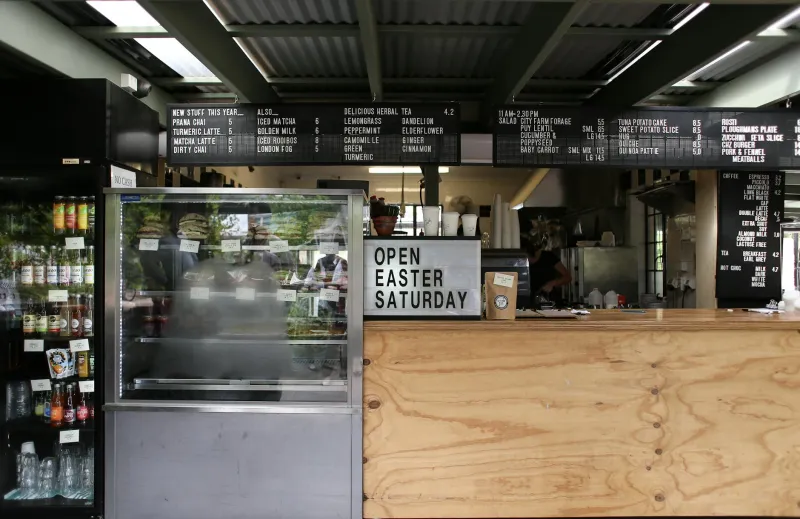
If you've run a British café for more than a year, you know the rhythm by heart. January arrives like a financial hangover, February drags endlessly, then Easter weekend explodes with unexpected crowds you're never quite prepared for. Summer brings beer garden competition, September offers a brief revival, before the Christmas rush nearly breaks your till system.
Most café owners simply endure these cycles, cutting hours during quiet periods and scrambling to cope with busy spells. But the smartest operators flip this reactive approach entirely, building proactive strategies that turn predictable patterns into profit opportunities.
Mapping Your Local Micro-Climate
Before planning any seasonal strategy, you need to understand your specific trading environment. The café calendar varies dramatically between a university town, a commuter suburb, or a tourist coastal location.
Start by analysing your sales data month by month, but don't stop there. Layer in local factors: school term dates, nearby office occupancy patterns, local events, even weather trends. That quiet patch in late February might coincide with half-term holidays when your regular customers disappear to Center Parcs.
Keep a simple diary noting unusual busy or quiet periods, along with possible explanations. Over time, you'll identify patterns that aren't immediately obvious from sales figures alone. This local intelligence becomes the foundation for strategic planning.
The January Recovery Strategy
January represents the ultimate test of seasonal planning. Everyone knows it's coming, yet most cafés simply batten down the hatches and wait for February. This defensive approach wastes a massive opportunity.
Consider the psychology of your January customers. They're dealing with post-Christmas debt, New Year health resolutions, and general winter gloom. Rather than competing against this mood, work with it.
Launch "Dry January" coffee subscriptions for customers avoiding pubs. Create warming, healthy menu options that align with resolution culture without feeling preachy. Partner with local gyms or fitness groups for post-workout coffee deals.
Most importantly, use January's natural quiet periods for deep customer engagement. This is when you have time for genuine conversations with regulars, when you can test new menu items without overwhelming your team, when you can tackle that loyalty programme you've been planning since September.
Half-Term Opportunities and School Holiday Rhythms
School holidays create dramatic shifts in café footfall, but the direction depends entirely on your location and customer base. Office-district cafés might see drops when commuters work from home with their children. Family-friendly locations could experience surges from parents seeking child-friendly spaces.
The key is anticipating these shifts and adapting your offering accordingly. During half-term weeks, consider extended breakfast hours, children's menu additions, or family-friendly events. If your area empties during school holidays, use the time for maintenance, staff training, or menu development.
Some operators partner with local childcare providers or activity centres, creating drop-off coffee deals for parents. Others develop holiday clubs or children's workshops that transform their space into a community hub whilst generating additional revenue.
Summer Competition: Fighting the Beer Garden Battle
British summers present unique challenges for café operators. The moment temperatures hit 18°C, customers migrate to pub gardens and outdoor spaces, often deserting coffee shops entirely.
Rather than sulking indoors, successful café owners adapt their offering for summer trading. This might mean extended opening hours to catch early morning dog walkers, iced coffee and cold brew programmes, or partnerships with local parks for mobile coffee services.
Consider your space differently during summer months. Can you create outdoor seating, even if it's just two tables on the pavement? Can you develop picnic boxes or takeaway options that encourage customers to enjoy your coffee in nearby green spaces?
Some operators embrace the seasonal shift entirely, reducing their coffee focus and pivoting toward cold drinks, ice creams, or light lunch options that suit warm weather behaviour.
The Autumn Revival and Christmas Preparation
September often brings natural footfall recovery as routines resume and weather cools. This is your opportunity to re-engage customers who've been absent during summer months, but it's also crucial preparation time for the Christmas period.
Use September and October to test Christmas menu items, train seasonal staff, and plan your holiday marketing strategy. The cafés that struggle during Christmas week are usually those that start planning in November.
Develop gift card programmes, corporate catering packages, and Christmas party bookings well before December arrives. Consider partnering with local businesses for Christmas party catering or creating festive hampers featuring your coffee and local products.
Event-Driven Revenue: Creating Your Own Calendar
Whilst responding to natural seasonal rhythms is important, the most successful operators create their own events and occasions. This transforms you from a passive participant in seasonal cycles into an active driver of footfall.
Develop monthly themes that give customers reasons to visit during traditionally quiet periods. February coffee cupping sessions, March local supplier showcases, April spring menu launches—each creates anticipation and drives repeat visits.
Partner with local businesses, artists, or community groups to host regular events. Book clubs, business networking mornings, art exhibitions, or acoustic music sessions all create additional revenue streams whilst building community connections.
The key is consistency and quality. Better to run one excellent monthly event than four mediocre weekly attempts.
Technology and Planning Tools
Modern café operators have access to sophisticated planning tools that previous generations couldn't imagine. Your EPOS system probably contains years of trading data that can reveal patterns you've never noticed.
Use this data to build seasonal staffing rosters, plan inventory orders, and schedule maintenance during predictably quiet periods. Simple spreadsheet analysis can reveal which days of the week perform best in each month, helping optimise opening hours and staffing levels.
Social media scheduling tools allow you to plan seasonal campaigns months in advance, ensuring consistent messaging without last-minute panic. Email marketing platforms can automate seasonal offers and event reminders.
Building Resilience Through Diversification
The most resilient cafés develop multiple revenue streams that perform differently throughout the year. Retail coffee sales, catering services, private hire bookings, and product sales can all help smooth seasonal fluctuations.
Consider which aspects of your business could operate counter-cyclically. Corporate catering might be quiet in summer but busy during autumn conference season. Retail coffee sales often peak during gift-giving periods but maintain steady levels year-round.
The Long Game: Building Seasonal Loyalty
Ultimately, successful seasonal planning is about building deeper customer relationships. When regulars know you'll have warming soups ready for the first cold snap, or that your summer iced coffee programme starts reliably in May, you create anticipation and loyalty that transcends individual transactions.
This requires consistency over multiple years. Customers need to trust that your seasonal offerings will return, that your Christmas menu will be available when expected, that your January health-focused options will appear reliably.
The British café calendar doesn't have to be something that happens to you. With proper planning, local insight, and creative thinking, those predictable seasonal rhythms become opportunities to deepen customer relationships and build sustainable revenue streams that carry you through every month of the year.