The Hidden Cost of Going Cashless: What UK Café Owners Need to Know Before Ditching the Till Float

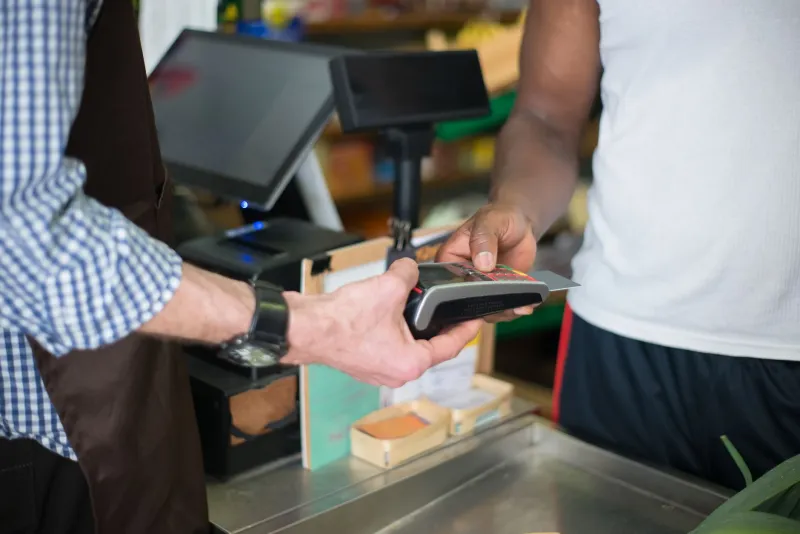
Photo: Mastercard, Public domain, via Wikimedia Commons
Somewhere between the pandemic-era hygiene anxiety around banknotes and the sheer convenience of tapping a phone on a reader, cash quietly became unfashionable on Britain's high streets. For many café owners, the shift felt natural — faster service, no change to count, no cash-up headaches at the end of the night. Going cashless seemed like a straightforward operational win.
But there's a number that doesn't appear on the contactless reader's cheerful little screen, and it's one that independent café owners need to be looking at very carefully.
What Card Processing Actually Costs You
Every time a customer taps their card or phone to pay for a £3.50 flat white, a small percentage of that transaction disappears before it reaches your account. The exact figure depends on your payment provider, your transaction volume, and the type of card being used — but for most independent UK cafés operating without negotiated rates, merchant service charges typically sit somewhere between 1.5% and 2.5% per transaction, with some providers charging additional monthly fees on top.
On a £3.50 sale, that's somewhere between 5p and 9p gone before you've even thought about the cost of the milk. That might sound trivial. Over a trading week with several hundred transactions, it's meaningfully less trivial. Annualised across a busy café, card processing fees can easily reach into the thousands of pounds — money that, for most independents operating on margins of 10–15%, represents a significant chunk of net profit.
The comparison with large chains is instructive and a little uncomfortable. A national coffee chain processing millions of transactions a year will have negotiated rates that bear almost no resemblance to the standard tariffs an independent faces. They're playing a different financial game, and the gap between their processing costs and yours is quietly widening as cashless payments become more dominant.
The Cards That Cost More
Not all card payments are equal, and this is where things get particularly frustrating for café owners. Premium credit cards — the kind that come with air miles, cashback, or concierge services — carry higher interchange fees than standard debit cards. When your customer taps their Amex Platinum or their premium Visa rewards card, the processing cost to you is noticeably higher.
Some payment providers pass these variable costs through to merchants transparently; others bundle them into a blended rate that obscures the true cost of individual transaction types. If you haven't recently reviewed your merchant statement in detail, it's worth doing — you may find that your effective processing rate is higher than the headline figure you were quoted when you signed up.
Lower-Cost Alternatives Worth Investigating
The good news is that the UK payment technology market has become significantly more competitive over the past few years, and independent café owners have more options than many realise.
Providers like Square, SumUp, and Zettle (formerly iZettle, now owned by PayPal) offer simpler fee structures that can work out cheaper for lower-volume businesses, typically charging a flat percentage per transaction with no monthly fees. For higher-volume cafés, providers like Worldpay or Takepayments may offer better negotiated rates — but it's worth getting quotes from multiple providers and doing the maths based on your actual transaction data rather than estimated figures.
Some café owners are also exploring open banking payment solutions, which bypass card networks entirely and transfer funds directly from customer to business account, typically at a fraction of the cost of card processing. Adoption is still relatively low among consumers, but the technology is maturing and several UK fintech companies are actively building café-friendly integrations.
QR code-based ordering and payment systems — which became more familiar to British consumers during the pandemic — can also offer lower processing costs in some configurations, with the added benefit of reducing counter queuing during busy periods.
Should You Go Fully Cashless?
This is where the debate gets genuinely interesting, because the answer isn't straightforward.
The operational case for going cashless is real. No cash handling means faster service, reduced risk of theft, simpler reconciliation, and no need to spend time counting floats or making bank runs. For a small team running a busy morning service, these are not trivial benefits.
But there are meaningful risks to weigh against them. Around 1.5 million adults in the UK are estimated to be largely or entirely reliant on cash, and while that demographic skews older, it's far from irrelevant depending on where your café sits and who your regulars are. Refusing cash is also increasingly associated with a kind of social exclusion that some customers find actively off-putting — and in an era where independent cafés are positioning themselves as community spaces, that's a reputational consideration worth taking seriously.
There's also the practical question of system failure. Card readers go down. Broadband drops. When that happens in a cash-only world, you're closed. A café that still accepts notes can keep trading.
Finding the Right Balance
For most UK independent cafés, the pragmatic answer is probably not "cashless" but "cash-light" — accepting both, but actively optimising your card processing setup to reduce the fee burden. That means reviewing your provider regularly, understanding which card types cost you most, and staying across the emerging alternatives that could meaningfully reduce your processing costs over the next few years.
The cashless high street is coming, and in many ways it's already here. But the savvy café owner's job is to make sure that convenience doesn't quietly become a cost that the business can't afford.