Forget the App: The Human-First Loyalty Strategy That Keeps Regulars Coming Back

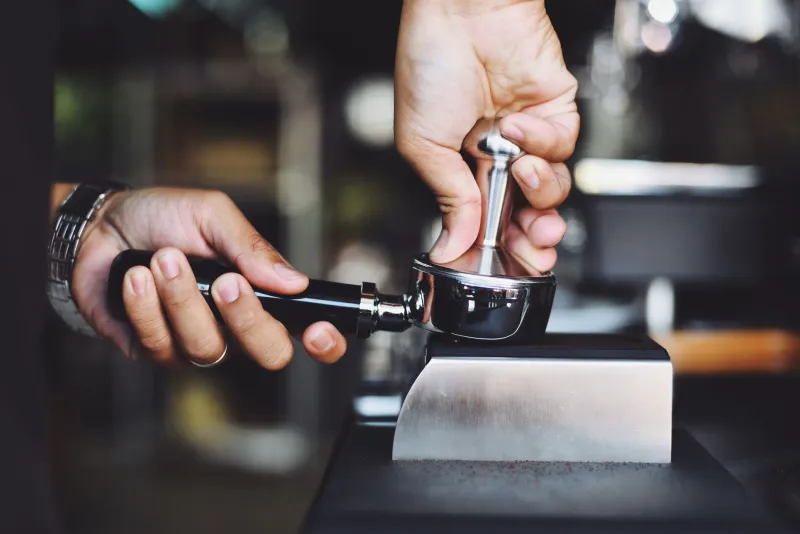
Photo: friendly barista serving regular customer independent café UK, via theplantbasedschool.com
Costa has an app. Starbucks has an app. Even the regional chains are building digital loyalty ecosystems with points, tiers, and personalised push notifications. And if you're an independent café owner watching all of this unfold, it's easy to feel like you're being left behind.
You're not. In fact, you might be sitting on a loyalty advantage that no amount of venture capital can replicate.
Why Apps Aren't the Answer for Most Independents
Let's start with the honest reality of digital loyalty programmes for small operators. A decent loyalty app subscription can cost anywhere from £50 to £300 per month, depending on the platform and your customer volume. There's setup time, staff training, ongoing maintenance, and the not-insignificant challenge of convincing customers to download yet another app onto their already cluttered phones.
And even when it works technically, what are you actually delivering? Points. Discounts. A free coffee after nine purchases. These are transactional incentives. They keep customers coming back for the reward, not for you. The moment a competitor offers a better deal, the loyalty evaporates.
Chains can play this game because they have scale, marketing budgets, and the infrastructure to make digital programmes feel seamless. For most independent UK café owners, it's a significant investment chasing a strategy that doesn't play to your strengths.
What Independent Cafés Actually Have to Offer
Here's the thing about your regulars: they didn't become regulars because of a stamp card. They came back because of how your café made them feel. The barista who remembered their order. The corner table that always seems to be free when they need it. The atmosphere that feels like a genuine pause in a busy day rather than a branded transaction.
That's not a small thing. That's the entire value proposition of an independent café, and it's something the chains spend millions trying to simulate and consistently fail to achieve.
The most effective loyalty strategy for an independent isn't a programme at all. It's a culture — one that makes every regular feel like a known and valued person, not a customer number in a CRM database.
The Power of Knowing Your Regulars by Name
This sounds almost embarrassingly simple, but the evidence is clear: customers who are recognised and addressed by name spend more, return more frequently, and are significantly more likely to recommend a business to others.
For a café with a consistent morning rush, your baristas are interacting with the same faces week after week. Building a team culture where learning and using regulars' names is a genuine priority — not just a nice-to-have — costs nothing and delivers an outsized return.
Some café owners go further. A simple internal note system (even a handwritten list behind the bar) can track the preferences of your most loyal customers. The oat flat white, no sugar, in the large cup. The decaf americano that goes with the crossword. When a customer gets their order started before they've finished saying good morning, that's a loyalty trigger that no app can match.
Thoughtful Perks That Don't Erode Your Margin
You don't need a formal programme to reward loyalty. You need a framework for spontaneous generosity that feels genuine rather than mechanical.
This might look like a complimentary slice of cake for a regular who's just mentioned a difficult week. Or a small discount quietly applied to the order of someone who's been coming in every day for three years. Or a heads-up when a new seasonal blend arrives that you know they'll love, delivered via a quick note on their takeaway cup.
None of these gestures need to be codified into a programme. In fact, their power comes precisely from their spontaneity. A reward that arrives unexpectedly feels like a gift. A reward that arrives because you've collected enough stamps feels like a transaction completing.
The key is empowering your staff to make these calls in the moment. Build a small discretionary budget into your operations — even £20 to £30 per week — and trust your team to deploy it wisely. The return on that investment, measured in retained regulars, will far outstrip the cost.
Community as Loyalty Infrastructure
Some of the most loyal café customer bases in the UK exist not because of what's on the menu, but because of what the café represents in its community. The independent in a market town that hosts the local book group. The city-centre spot that provides a reliable workspace for the growing remote-working crowd. The neighbourhood café that stocks local honey and sells cards from a nearby illustrator.
These choices signal something important: that this café is part of the fabric of its community, not just a commercial unit occupying a retail space. Customers who feel that connection don't just return — they advocate. They bring friends. They post on local Facebook groups. They feel a mild sense of loyalty guilt when they go somewhere else.
Building that kind of community positioning doesn't happen overnight, but it's far more durable than any digital points scheme.
Measuring What You Can't Always Quantify
One objection to human-first loyalty strategies is that they're hard to measure. And that's partly true. You can't run a dashboard report on how many regulars felt genuinely welcomed this week.
But you can track some useful proxies. Average transaction frequency for your known regulars. The ratio of new customers to returning faces over a given period. Your net promoter score, gathered informally through conversation or a simple feedback card. These indicators, reviewed regularly, will tell you whether your relationship-based approach is working — even if the data is a little rougher around the edges than an app analytics suite.
The chains have the technology. You have the people. In the UK independent café market, that's still a very powerful hand to play.