Slow Down to Cash Up: Why Rushing More Coffees Out the Door Is Wrecking Your Margins
The Busiest Café Isn't Always the Most Profitable One
There's a particular kind of pride that comes with a queue snaking out the door. It feels like success — the hiss of the machine, orders flying, a counter full of cups. But here's the uncomfortable truth that a lot of café owners in the UK are only discovering when they sit down with their end-of-month figures: serving more customers per hour doesn't automatically mean you're making more money.
In fact, for a growing number of independent operators, the relentless chase for throughput is one of the fastest ways to hollow out your margins, exhaust your team, and accidentally position your café as something you never intended it to be — a caffeine vending machine.
What High-Volume Service Actually Costs You
Let's look at this practically. When you're optimising purely for speed, a few things tend to happen almost without you noticing.
First, your average transaction value drops. Customers in a fast-moving queue don't browse. They don't consider the slice of cake, the bag of beans on the shelf, or the seasonal special on the board. They order their flat white, tap their card, and leave. You've served them efficiently, but you've left money on the table — every single time.
Second, your waste creeps up. Rapid-fire service under pressure means more mistakes, more remakes, and more product going in the bin. At current ingredient costs, that's not a rounding error — it's a meaningful drag on your bottom line.
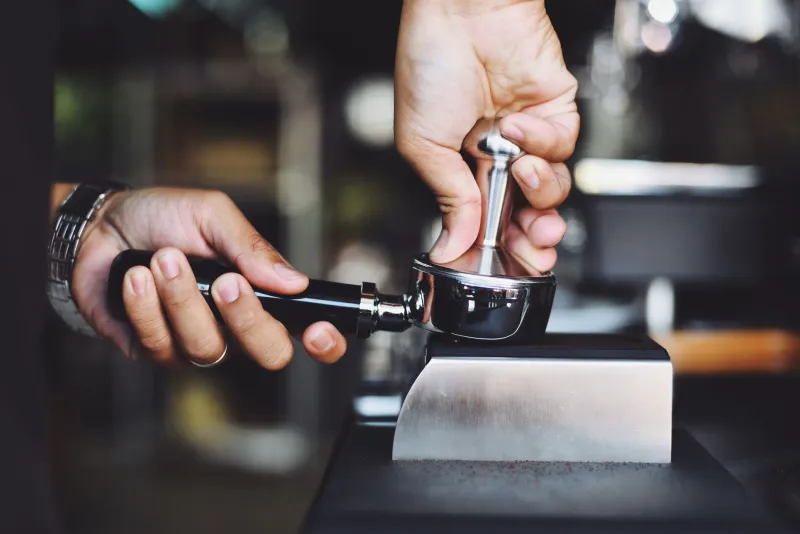
Third, and this one tends to sneak up on owners, your staff start to burn out. Baristas who are treated like coffee-dispensing machines — expected to pull shot after shot without pause or pride in the craft — don't stay long. Recruitment and training costs are brutal, and the revolving door of staff is a hidden expense that rarely shows up clearly in the numbers.
The Specialty Coffee Argument for Slowing Down
The specialty coffee world has known something for years that the high-street chains have tried to paper over with efficiency metrics: customers who understand quality will wait for it, and they'll pay for it.
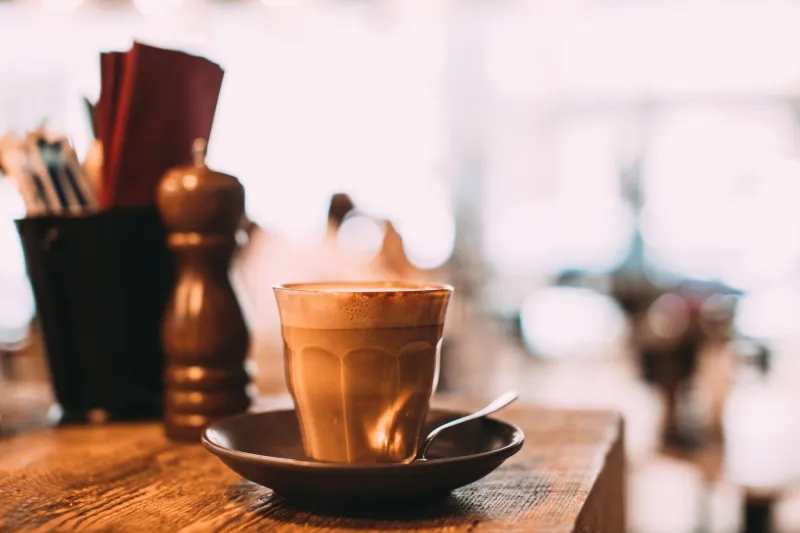
Consider the difference between a £2.80 flat white churned out in ninety seconds and a £4.50 single-origin pour-over prepared with visible care and a brief explanation of the origin. The second transaction takes longer. It might even hold up the queue slightly. But the revenue per customer is meaningfully higher, the perceived value is through the roof, and — crucially — that customer is far more likely to come back, spend more next time, and tell their friends.
This is the model that's working for independent cafés across cities like Edinburgh, Bristol, Manchester, and London's less-touristed neighbourhoods. Not more customers per hour — better revenue per customer.
Repositioning Without Alienating Your Regulars
If your café has built its identity around speed, shifting gears requires some care. You don't need to overnight transform into a silent, reverent temple of third-wave coffee. But there are practical moves that can nudge your operation in a more profitable direction without alienating the people who already love you.
Revisit your menu architecture. Are your highest-margin items easy to find and tempting to add? A well-placed seasonal special or a clearly described food pairing can lift average spend without slowing service at all.
Train your team to upsell naturally. This isn't about pushy sales patter. It's about baristas who know the menu well enough to say, genuinely, "That goes really well with the cardamom bun if you haven't tried it." That kind of recommendation feels like hospitality, not a transaction.
Look at your physical layout. If customers are queuing in a way that doesn't expose them to your retail products, your seasonal menu board, or your loyalty scheme, you're losing passive revenue opportunities. Sometimes a small rearrangement of the counter area pays for itself within a fortnight.
Price for quality, not for competition. Many UK café owners underprice because they're scared of losing customers to the chain up the road. But the customers you're most likely to lose over a 30p price difference aren't the ones who'll sustain your business long-term anyway.
Volume as a Tool, Not a Goal
None of this is an argument against being busy. A full café is a wonderful thing — for atmosphere, for community, and yes, for revenue. The point is that volume should be a natural result of getting everything else right, not the metric you optimise for above all others.
When you focus on the quality of each transaction — the drink, the experience, the connection — the revenue tends to follow. And it follows in a way that's more sustainable, more enjoyable to deliver, and far more resistant to margin pressure from rising ingredient costs and energy bills.
The UK coffee market is maturing. Customers know more than they used to. They can taste the difference between a coffee made with care and one knocked out under pressure. That knowledge is your opportunity — if you choose to lean into it rather than race past it.
The Measure That Actually Matters
Next time you review your trading data, try looking at revenue per customer rather than customers per hour. If that number is flatlining or falling even as your footfall grows, you've got your answer. The queue isn't the problem. What's happening inside it is.
Slowing down, in the right ways, might be the best business decision you make this year.